International Women's Day: The incredible role of women in care
4-minute read | 06/03/2026
Editorial Contributor

Across the UK’s care sector, women play an extraordinary role in supporting older people to live safely, comfortably, and with dignity.
From live-in carers and care assistants to nurses and care coordinators, women make up the majority of the people delivering care services across the country. Their compassion, skill and dedication help thousands of families every day.
This International Women’s Day, we’re celebrating the women who make professional care possible – and the lasting impact they have on people’s lives.
Women make up the majority of the social care workforce
Social care is one of the few industries where women represent the overwhelming majority of the workforce.
According to workforce data from Skills for Care, around 81% of adult social care roles in the UK are held by women, including carers supporting people in their own homes, live-in carers, and professionals working in residential care settings.
These roles are essential in helping older people maintain independence, remain connected to their communities, and receive personalised support in familiar surroundings. The typical care worker is in their mid-40s, although many join the profession later in life, bringing valuable life experience and empathy to their roles.

Women pioneers and the legacy of care
Women have long shaped care and healthcare in the UK. Pioneers such as Mary Seacole, who provided vital medical support during the Crimean War, and Frances Davidson, who established one of the first homes for people with terminal illness, set a precedent for compassion, skill, and dedication in care.
These historical contributions laid the foundation for professional care today, inspiring generations of women to enter the sector and make a difference in the lives of older people.
Celebrating Elder’s women carers today
The legacy of pioneers lives on in the women who work as carers at Elder. Every day, our professional carers combine practical support with empathy and companionship to help older people continue living safely and comfortably in their own homes.
They assist with tasks such as:
- Personal care and mobility
- Preparing meals and maintaining nutrition
- Medication reminders
- Companionship and emotional support
- Supporting people living with conditions such as dementia
Women like Daniela and Susan bring this dedication to life, showing how modern carers continue the tradition of compassion and skill established by historical pioneers.
Daniela: supporting routine and familiarity
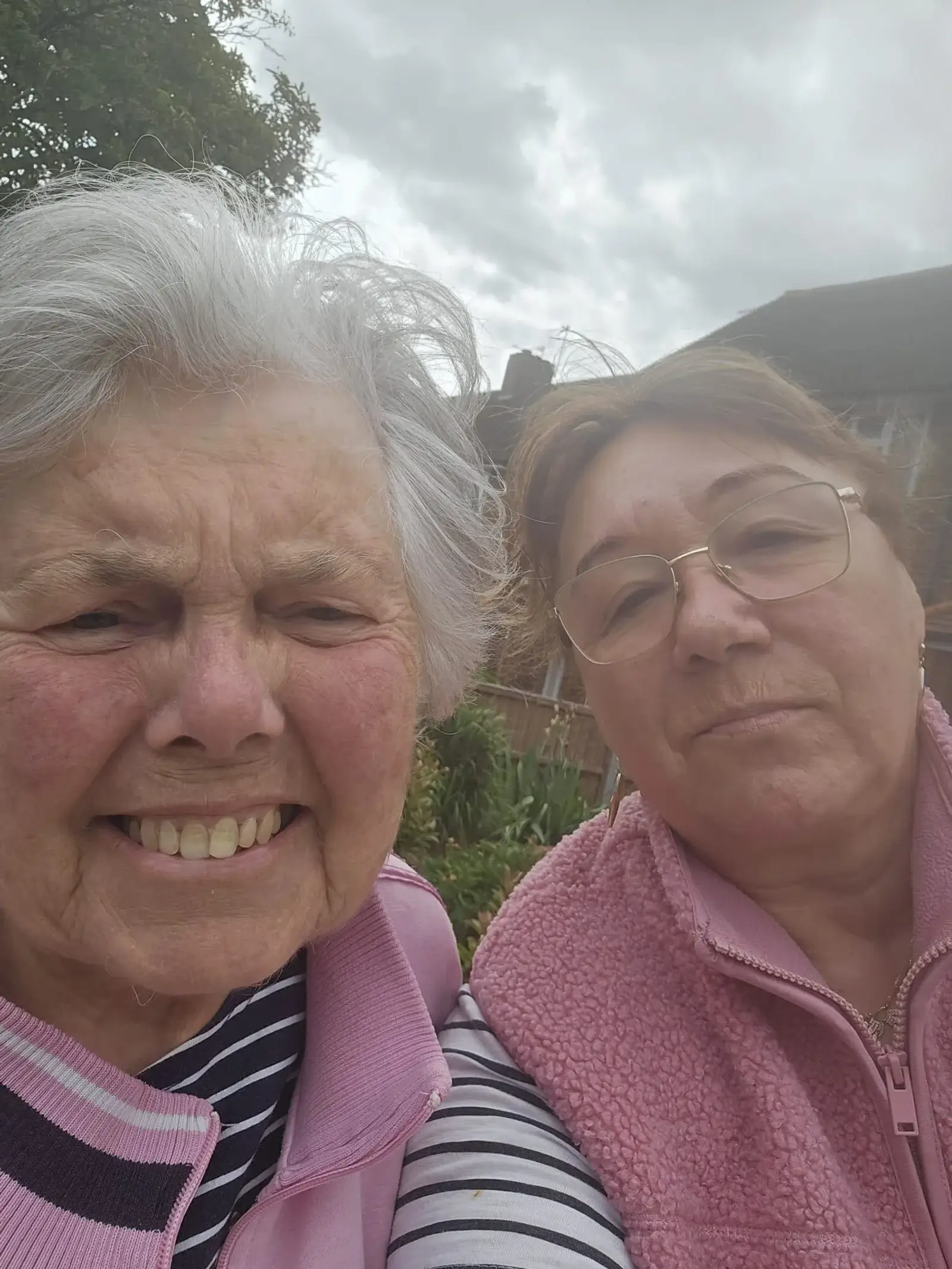
For people living with Alzheimer’s, maintaining familiar routines is crucial. Sharon told us how Daniela, one of our carers, helps her mum Sheila continue enjoying daily walks and visits to her favourite café, providing both practical support and friendship.
Susan: companionship that goes beyond care
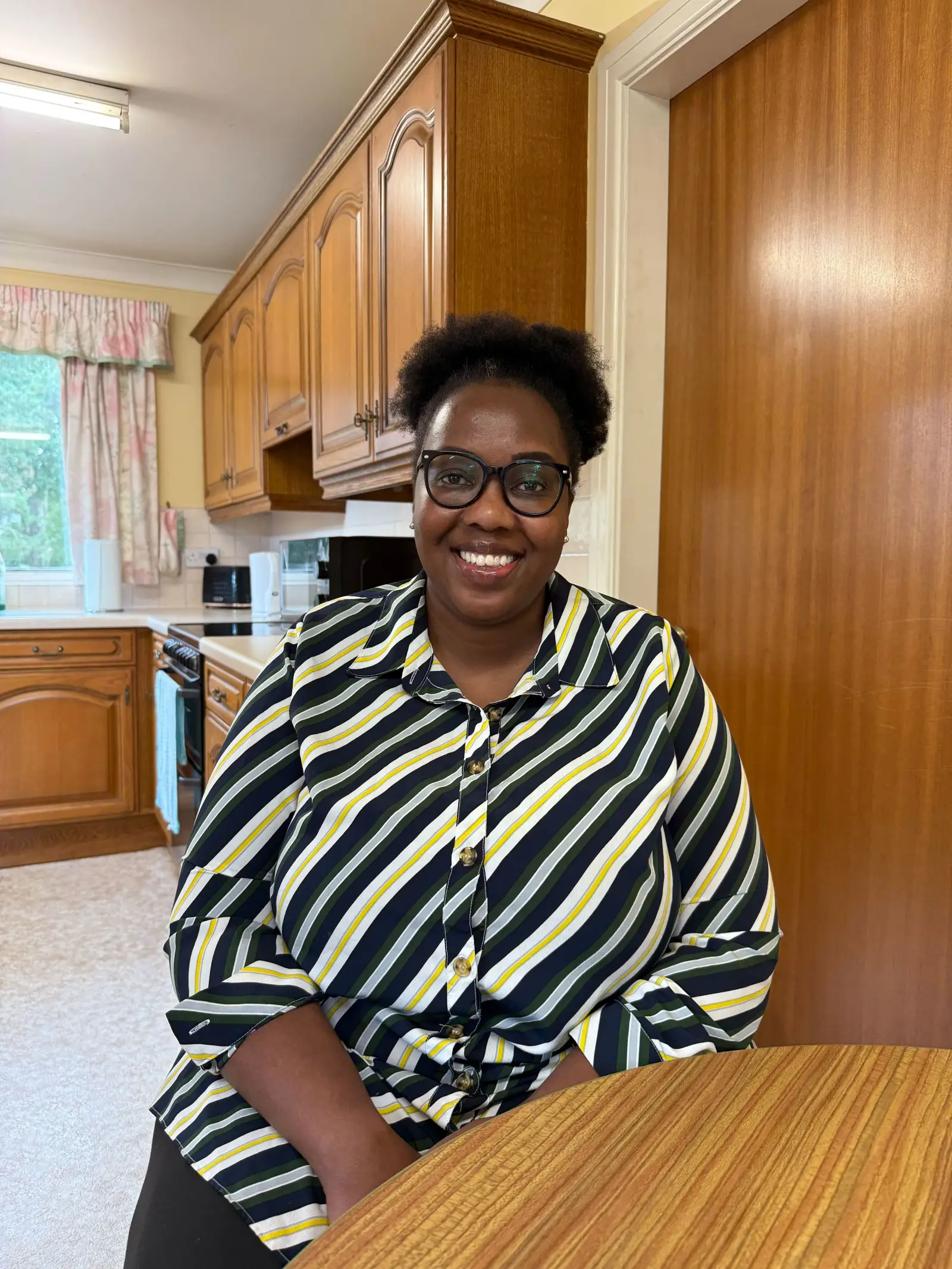
David explains how Susan, a carer with nearly 15 years of experience, has become part of the family after caring for his loved one.
Susan says the relationships she builds with her clients are the most rewarding part of her role. For her current client, being able to spend quality time together at home has made all the difference in maintaining comfort and independence.
These examples show how live-in care at Elder combines professional expertise with personal connection, allowing older people to continue living the life they know and love.
The future of care depends on supporting the workforce
As the UK population ages, demand for care continues to grow. According to projections from the World Health Organization, the number of people aged 85 and over is expected to rise significantly in the coming decades.
Supporting and valuing the care workforce has never been more important. For many people working in care, the job offers the chance to make a meaningful difference every day, whether helping someone stay independent or providing companionship.
This International Women’s Day is an opportunity to recognise the women whose work keeps the care system running, and to celebrate the dedication and compassion they bring to their roles every day.